
By Kristina Benoist, Marketing & Communications Director
March 26, 2025
California’s Plastic Pollution Producer Responsibility Act (SB 54) was designed to be a groundbreaking shift in how plastic waste is managed, requiring producers—not taxpayers—to take responsibility for packaging waste. However, less than two years after its enactment in 2022, Governor Gavin Newsom has ordered a revision, citing rising compliance costs, delays in implementation, and growing resistance from both industry and environmental groups.
While this decision has generated debate, it does not signal a reversal of producer responsibility in California or across the country. Instead, California is refining SB 54—making targeted adjustments to improve the feasibility of implementation while maintaining the law’s core objectives.
ADJUSTMENTS, NOT A ROLLBACK
When SB 54 was signed into law in 2022, it introduced some of the most progressive plastic reduction and recycling targets in the country, including:
- A 25% reduction in single-use plastic packaging by 2032.
- A requirement that 65% of covered materials be recycled and certified through an approved process by 2032.
- A $5 billion producer-funded mitigation fund over a 10-year period, specifically $500 million annually from 2027 to 2037, to address the environmental impacts of plastic pollution and support affected communities.
As implementation began, producers raised financial and operational feasibility concerns. In response, Governor Newsom declined to approve the rules as drafted, acknowledging industry concerns and directing regulatory agencies to refine them before they could proceed to the California Commission on Recycling Markets and Curbside Recycling for formal adoption.
Rather than a rollback, California is expected to make targeted revisions that ease the transition for producers while preserving the law’s key goals.
The Office of Administrative Law (OAL) review process, which is standard for regulatory changes, could take up to a year. However, to accelerate certain adjustments, an “urgency bill” could be introduced in the California Senate, allowing a limited number of critical revisions to be fast-tracked.
WHAT THIS MEANS FOR EPR IN OTHER STATES
While California’s experience with SB 54 is being closely watched, this revision process is unlikely to slow momentum for EPR nationwide. States like Minnesota, Colorado, Oregon, and Maine are continuing to quickly move forward with their own packaging EPR programs, each tailored to their specific regulatory and economic landscapes.
WHAT ADJUSTMENTS ARE BEING DISCUSSED
California Senator Ben Allen—the lead sponsor of SB 54—recently outlined proposed adjustments and clarifications in a letter to Jeff Fielkow, CEO of Circular Action Alliance (CAA). These proposals were part of a negotiation effort to encourage CAA’s support for the draft regulations. While not changes to the law, the suggestions emphasized collaboration, regulatory flexibility, and timeline adjustments to support smoother implementation. CAA ultimately declined to endorse the proposals.
Key points included:
1. Producer Responsibility Organization (PRO) Plan Adjustments
The deadline for the initial PRO plan submission is proposed to be moved to July 1, 2026, providing producers more time to develop their compliance strategies.
2. Financial and Reporting Adjustments
Temporary Simplified Eco-Modulation Fees – A simplified fee structure will be used until the end of 2029 to ease the transition for producers.
3. Annual Reports & Fee Schedules:
Annual Budget and Fee Schedules – Producers must submit budget and fee schedules annually by October 1, 2026, separate from the full program report.
4. Compliance and Data Collection
Source Reduction Data – Producers must submit baseline source reduction data before the PRO plan submission deadline of July 1, 2026. CalRecycle will have the authority to update this baseline before 2027.
5. De Minimis Exemption
CalRecycle will clarify its current rules for small producers (de minimis criteria) through emergency regulations before the July 1, 2026 deadline for PRO plan submission.
6. Regulatory & Technological Considerations
- Chemical Recycling Review: Any company using chemical recycling technologies will need to fund and commission peer-reviewed studies to demonstrate compliance.
- Reusable Packaging Standards: Durability standards for reusable food serviceware will be refined.
- Life Sciences Exemption: Secondary and tertiary packaging used in life sciences (e.g., medical and pharmaceutical industries) are proposed to be explicitly exempted.
7. Reporting Flexibility
Annual, not Monthly, Reporting: To reduce administrative burden, producers will submit data annually rather than in monthly increments.
WHAT’S NEXT FOR SB 54?
With the Governor signaling the need for refinements to SB 54, the next steps focus on how these adjustments will be implemented. The process will move forward through multiple avenues, each operating at a different pace:
- Legislative Action – Lawmakers will introduce a bill to formally adopt revisions, incorporating stakeholder input to ensure the changes balance feasibility with the law’s original intent.
- Regulatory Adjustments – CalRecycle and the advisory board will refine program rules, clarify compliance requirements, and establish updated guidelines for producers through the regulatory process.
- Urgency Bill Option – If certain revisions require immediate implementation, an urgency bill could be introduced in the California Senate to fast-track specific changes, allowing them to take effect sooner than the standard legislative timeline.
- Administrative Review – The Office of Administrative Law (OAL) will oversee regulatory refinements. While this review process can take up to a year, select revisions may be expedited depending on legislative and agency priorities.
The combination of these pathways ensures that SB 54 moves forward with adjustments that improve feasibility while keeping California’s producer responsibility framework intact.
LOOKING AHEAD
Extended deadlines and regulatory flexibility ensure that producers and the PRO can better prepare for compliance. Clarity on financial obligations helps industries transition smoothly into the eco-modulation fee structure. More specific guidelines on exemptions, reporting, and technology provide clearer expectations for producers and regulators. The continued dialogue and adjustments reinforce the state’s commitment to a workable and effective EPR system under SB 54.
California’s adjustments to SB 54 will shape how the state fine-tunes its approach to producer responsibility, but its unique economic and regulatory environment means that its experience will likely not dictate how other states implement their programs. These adjustments intend to make SB 54 more easily implementable while still advancing California’s ambitious waste reduction and recycling goals.
PSI diligently monitors and tracks all legislative developments, stakeholder responses and the evolution of these laws, not only in California, but for all 50 states.
Stay connected with PSI for updates on California’s plastics EPR law, industry reactions, and the future of producer responsibility nationwide. Want to learn how this legislation—and similar efforts in other states—could impact your business? Reach out to Darla Arians at darla.arians@productstewardship.us to explore how we can work together.
September 5, 2024
This week, the California Legislature passed significant EPR bills to establish several new programs and strengthen existing ones. Now awaiting Governor Newsom’s signature, the bills include first-in-the-nation EPR programs for textiles and marine flares, the second EPR law for EV batteries in the country, and meaningful amendments to California’s carpet and paint stewardship programs. These bills incorporate best practices learned in the past 10 years and put on display the blossoming of the EPR movement in the U.S. They also exemplify the important state-based advocacy of the California Product Stewardship Council, Californians Against Waste, and the National Stewardship Action Council. The Governor has until September 30 to sign the bills.
Textiles (SB 707)
California is poised to be the first state to enact an EPR law for textiles. The law would require producers of clothing, footwear, and household textiles to participate in and fund a statewide reuse and recycling program for their products. The California Product Stewardship Council (CPSC) sponsored the landmark legislation, which seeks to reduce the environmental impact of the fashion industry by increasing the reuse and recycling of textiles, which are major contributors to landfill waste and pollution. The bill garnered broad support from environmental organizations, municipal waste managers, and key players in the fashion and textile industries. California will join the European Union, which already has textiles recycling mandates.
EV Batteries (SB 615)
This EPR law would be the second in the nation (after New Jersey) to require suppliers of electric vehicle traction batteries to ensure the collection and management of those batteries at end-of-life. The bill establishes a “battery management hierarchy” that prioritizes reuse, repair, and remanufacturing and requires that each battery have a unique identifier so that it can be tracked for responsible management. As the largest U.S. market for electric vehicles, California’s law could “fuel” the growth of EV battery recycling in the U.S., providing essential materials for renewable energy manufacturing in the U.S. Californians Against Waste led bill advocacy with support from recycler Redwood Materials and others.
Marine Flares (SB1066)
This bill, if enacted, would be another first-in-the-nation EPR law. It would require any manufacturer (currently just Orion) of marine flares – pyrotechnic devices used to signal distress in boating – to establish and fund a program for collection and proper disposal. Additionally, the bill bans perchlorate from marine flares sold to California consumers. The chemical is increasingly found in groundwater, surface water, and soil and is known to damage human thyroid functions that are essential to mental function, metabolism, and fetal development. This bill was championed by the National Stewardship Action Council and Zero Waste Sonoma.
Carpet Amendment (AB 863)
This amendment to California’s carpet stewardship program – the latest of three to improve the original carpet industry program – adds several elements to boost recycling, including a requirement for 5% carpet-to-carpet recycled content by 2028; mandatory sorting at approved collection sites by 2029, including proper storage and transportation of recyclable carpet to a recycler; standardized backstamping of carpet to support more efficient material sorting; and components of carpets published on the manufacturer website for better recycling. The amendment also includes nonvoting representation on the CARE board for a retailer, a circular economy NGO, and labor; funding for workforce development; audit transparency; and higher enforcement penalties. The original bill, which has since been amended, pushed even further, calling for a needs assessment to determine if the scope of the program should include other flooring such as luxury vinyl tile, sheet vinyl, and linoleum, which compete with carpet in the marketplace. This provision was intended to address a key carpet industry concern about leveling the playing field for all flooring. The original bill also contained higher targets for recycling and recycled content. This amendment was championed by the National Stewardship Action Council.
Paint Amendment (SB 1143)
PaintCare, the California paint stewardship program, added aerosol paints in 2023 to the original program established in 2007 by PSI, the American Coatings Association, and numerous government and private sector stakeholders. If enacted, this amendment would further expand the scope of the program to include furniture paint, marine paint, and other related products. Since adding aerosols to the California program, PaintCare has expressed interest in adding additional paint products to its programs in the other 12 jurisdictions with laws – yet another sign of the growing influence of EPR on materials management. This amendment, as well as the 2023 amendment, were championed by the National Stewardship Action Council.
Gas Cylinders (SB 1280)
Although not EPR, this CPSC-sponsored bill would prohibit the sale of non-reusable or non-refillable propane cylinders. The bill would effectually require that all 1lb cylinders be reusable, just as 20lb barbeque tanks currently are.
Earlier this month, over 200 globally recognized experts gathered in Portland, Oregon for PSI’s 12th U.S. Product Stewardship Forum. Speakers presented throughout two days of intensive sessions on a wide range of topics covering the most important trends in producer responsibility policy and programs. While all of the sessions were insightful and high quality, the following notable quotes were made during a few of the top sessions.
Extending Responsibility: Eco-Modulated Fees and Responsible End Markets
“Eco-modulation must go beyond incentives, it is about making sure the fee structure reflects the real costs of managing the packaging material and its impact in the value chain.”
Genevieve Dionne, Éco Enterprise Quebec
“Eco-modulation works, period. But it could be gentler, and it could be less complicated for the producers and other market players.”
Gauravi Saini, Reclay StewardEdge
Perspectives on Plastic Recycling – From Mechanical to Chemical
“Mechanical and chemical recycling need to be complementary solutions. The complexities of plastic waste require both to deliver a truly circular economy”
Maranda Demuth, Eastman
“We need to have a robust conversation on whether chemical recycling is worth its environmental impacts.”
Celeste Meiffren-Swango, Environment Oregon
The PRO’s Role in the Circular Economy
“Having a not-for-profit producer-governed organization that supports producers in meeting their EPR commitments ensures efficient and effective recycling systems are in place where plastics and other packaging materials are collected, recycled, and returned back to producers for use as recycled content.”
Allen Langdon, Circular Materials
“We are working with local governments and recyclers to determine how to effectively support recycling systems.”
Shane Buckingham, Circular Action Alliance
“The hallmark of successful systems is a focus on the goals and the desired outcomes.”
Leslie Huska, GreenDot North America
Packaging EPR Implementation in the United States
“The Oregon law prioritizes sustainability above circularity. There is potential for these ideas to be in conflict and the Oregon law aims to achieve broader sustainability objectives. If we pursue circularity in a narrow way and just focus on recycling and composting, there might be some unintended outcomes.”
David Allaway, Oregon Department of Environmental Quality
“In California, we are focused on the reduction of plastic pollution and overall production of packaging materials in the state. The California law requires that 100% of packaging sold into the state of California is either recyclable or compostable, by 2032.”
Rachel Machi Wagoner, CalRecycle
KEY TAKEAWAYS
Throughout the rich and diverse discussions at the conference, the following important issues were highlighted as they are becoming increasingly important in the field of EPR.
- Policy Harmonization: All stakeholders expressed the importance of identifying common elements of all EPR bills and laws. Policy harmonization is not only crucial for increasing the efficiency of existing and future programs, but also for ensuring alignment across jurisdictions, reducing consumer confusion, and enabling effective program comparison.
- Measuring Success: Congruent with the need for policy harmonization is the need to define how the success of a program or policy is measured. It is essential to identify what needs to be measured, ensure that data collection is accurate and consistent, and provide all stakeholders with relevant information.
- Producer Presence: As the field of EPR continues to advance, it will be necessary to directly involve producers, along with associations, in the conversation. Without representation from key producers, a valuable perspective on the field is lost. The interest of individual producers and their associations are essential to advancing effective EPR policy.
WHAT ARE PEOPLE SAYING ABOUT THE CONFERENCE?
We are shifting into a new phase of the EPR movement with rapid success and the need for engaged stakeholders and a highly knowledgeable community. The PSI Forum will continue to be a space for those eager to learn and contribute as we lead this movement forward. Here are some thoughts from 2023 PSI Forum attendees on the importance of event:
“PSI did it again, assembling the world’s experts on EPR (those actually engaged in making it happen) and presenting two days of rich, productive conversations about the current state of affairs in the U.S., Canada and Europe and where things are headed, on a wide variety of products as well as packaging. Kudos to PSI for being able to bring such diverse parties to the conference in a series of stimulating panels. PSI continues to be THE place to go for expertise, ability to bridge government, business and advocacy groups, and the many connections, contacts and synergies possible.”
Dave Galvin, former PSI board president
“PSI’s conference enables State Environmental Staff, PROs, Recyclers and NGOs to collaborate on EPR. With the growth of EPR, this conference is becoming essential to those involved with environmental policy and execution.”
David Bender, CEO Circular Polymers by Ascend
“Excellent forum about all aspects around EPR. Competent speakers, lively discussions about the hot topics, engaged participants, perfect networking. The place to go in the US!”
Joachim Quoden, Managing Director EXPRA
“The 2023 US Product Stewardship Forum provided a wonderful opportunity to connect and have meaningful and in-depth conversations with others working to find solutions to how we can move the solid waste industry from a linear (extract, make, use, dispose) system to a more circular economy. Learning from each other and working together, we can take actions that have long-term positive results for our customers and the environment!”
Susan Fife-Ferris, Seattle Public Utilities, Washington
“Fun, productive, and a truly unique meeting of the minds from across the globe!”
Maya Buelow, Lane County Waste Management, Oregon
“Scott and the PSI team put together an excellent event. The structure was just right to allow attendees to choose which sessions they wanted to attend without having to choose from overlapping sessions. Looking forward to the next Forum two years from now!”
Doug Kobold, California Product Stewardship Council
CONTINUE THIS WORK WITH US
PSI will continue to lead these conversations with other experts through our webinar series this fall. Our webinars will cover a range of pressing issues and we look forward to your participation. For more information, sign up for our monthly newsletter.
BOOK NOW AVAILABLE
Scott Cassel, CEO and Founder of the Product Stewardship Institute, debuted his recently published book, Perspectives on Product Stewardship: Navigating an extended producer responsibility path to a circular economy, at the 2023 U.S. Product Stewardship Forum. This book is a must-read for all EPR professionals. Click here to purchase your copy! If you are a PSI Member or Partner, contact info@productstewardship.us for 30% discount.
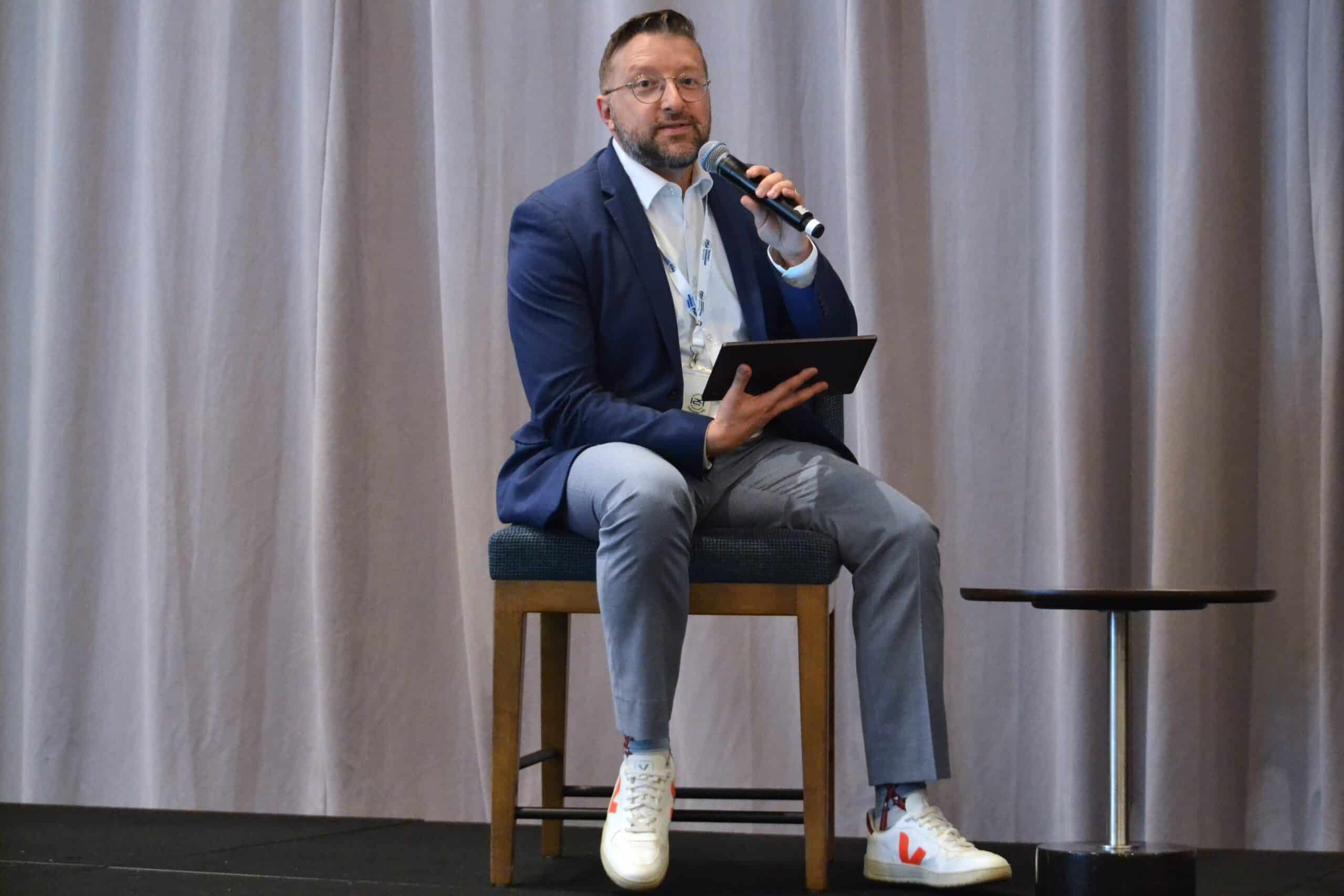
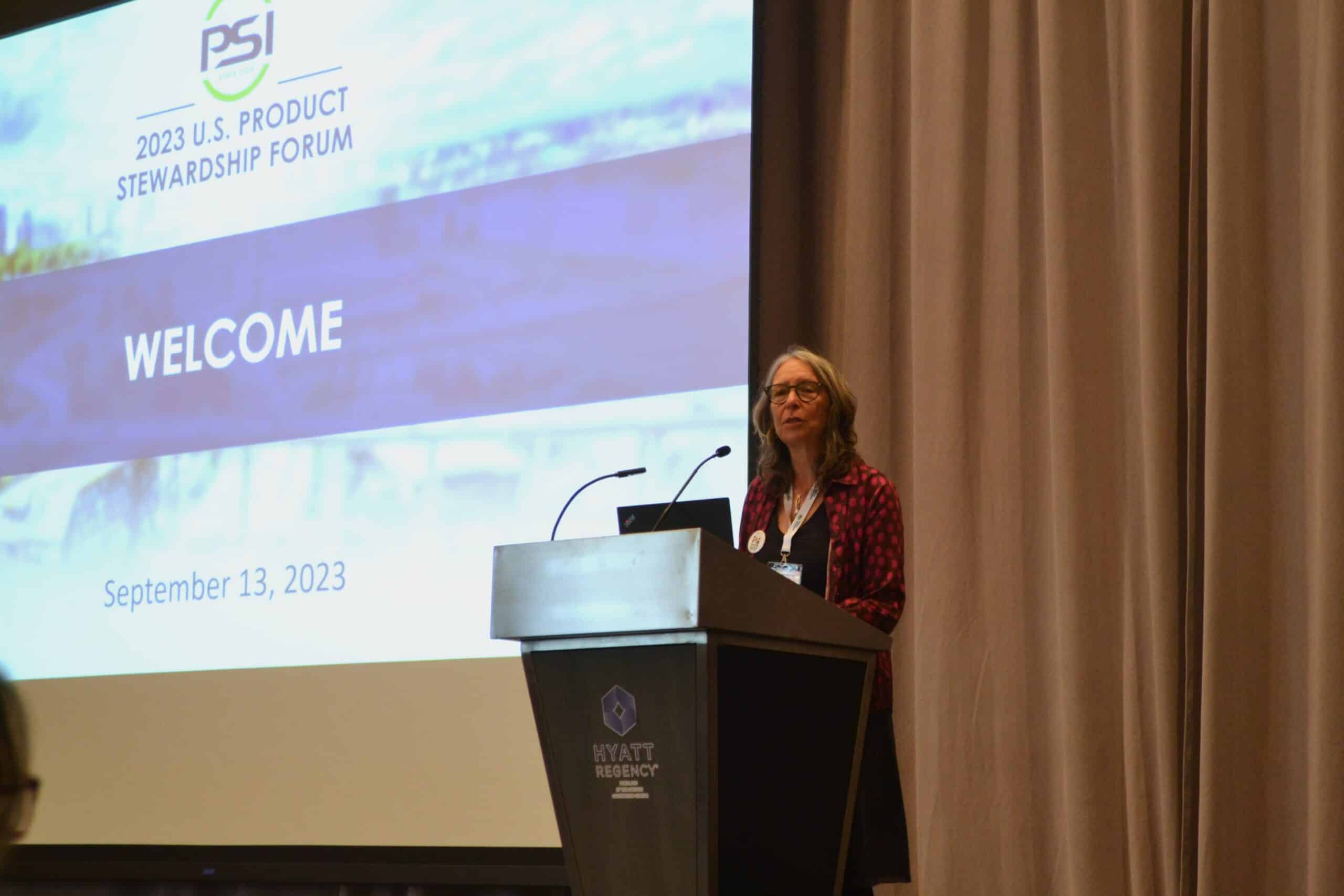
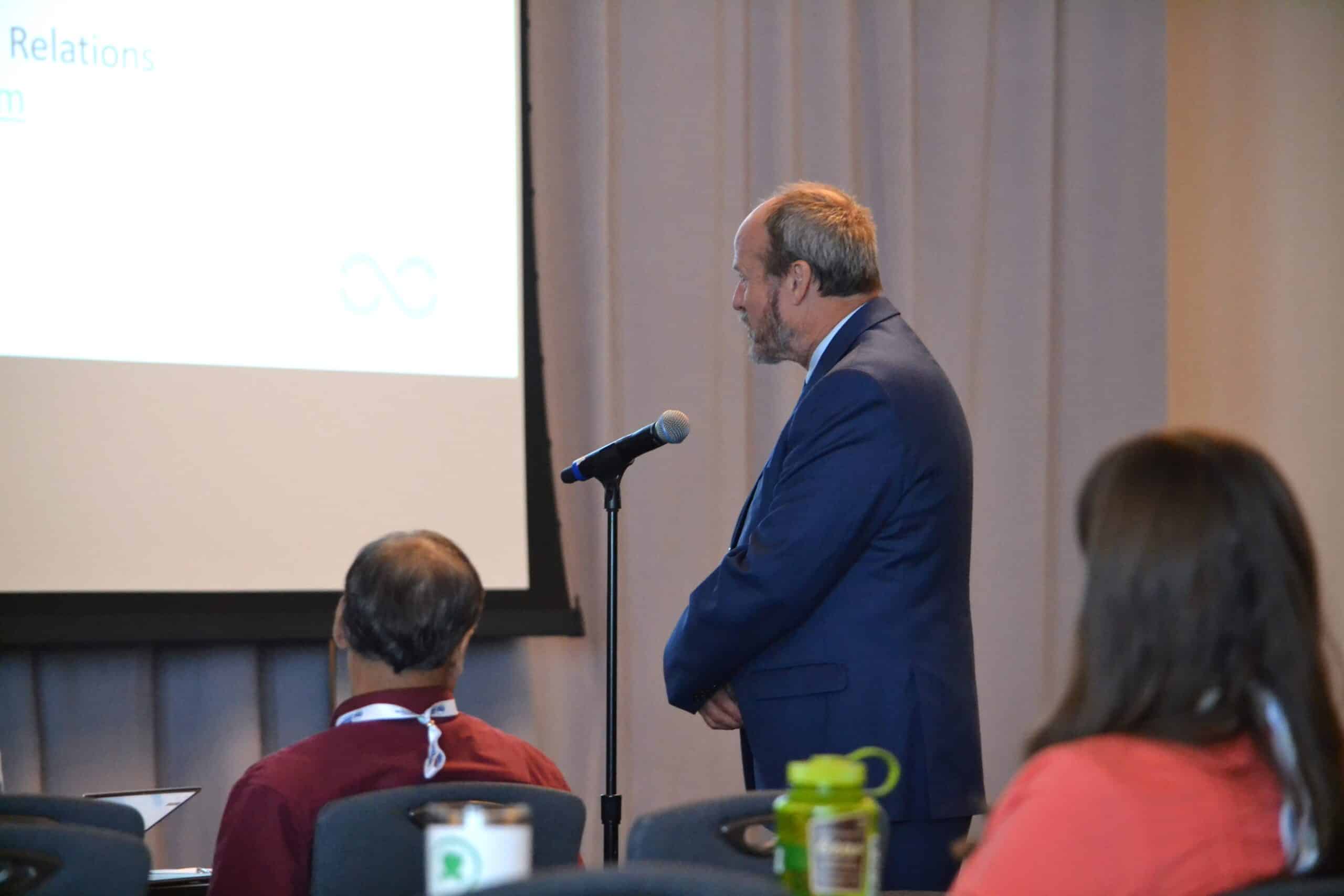
PHOTOS FROM THE FORUM:
















by Rachel Lincoln Sarnoff, Marketing & Communications Director
Next week, world leaders will gather for the second session of the Intergovernmental Negotiating Committee on Plastic Pollution. Although PSI was invited to attend and contributed to discussions leading up to the event, we were unable to make the trip.
INC-2 will take place from May 29 to June 2 at the United Nations Educational, Scientific and Cultural Organization (UNESCO) headquarters in Paris. This meeting will be followed by INC-3 in Kenya in November and INC-4 in Canada in April 2024. At each meeting, EPR will be front and center.
Recently, the Ocean Plastics Leadership Network shared analysis of proposals submitted by UN member states, which showed that 60% referenced EPR. OPLN indicated that the number was probably higher because those that referenced “product stewardship” rather than “EPR” were not included in the evaluation.
Critical to the conversation is the Peak Plastics report published by Economist Impact and The Nippon Foundation earlier this year as part of their Back to Blue initiative. This report showed that on their own, many of the policies being considered — including Single Use Plastic Product (SUPP) bans, EPR for packaging, and an aggressive carbon tax on virgin plastic — are insufficient to affect the projected doubling of plastic consumption by 2050. However, when implemented together they could significantly reduce consumption: “EPR is…vital, as it will improve waste collection and increase recycling rates, which will curtail plastic leakage into the environment.” This is in keeping with PSI’s perspective on EPR for packaging, which is most effective when implemented alongside additional measures such as reuse strategies.
The genesis of these discussions began at the fifth session of the United Nations Environment Assembly (UNEA-5.2) in 2022, when UNEA Resolution 5/14 was adopted. Its goal is to develop an international legally binding instrument to end plastic pollution by 2024. Without significant intervention, the UN projects a tripling of the amount of plastic waste entering the marine environment — from as much as 14 million tons per year in 2016 to as much as 37 million tons in 2040.
by Scott Cassel, CEO and Founder
Although we haven’t seen a new packaging EPR law enacted yet, eight states introduced legislation in 2023 – and Maryland just became the fifth state to move on it. On May 10, Governor Wes Moore signed legislation to establish a government funded needs assessment to be developed by a consultant that will determine the need for new recycling collection and processing infrastructure, along with the costs. The law also requires the establishment of a producer responsibility organization to coordinate producers and a separate advisory council, established by the Maryland Department of Environment that is tasked with reporting its findings and recommendations to the Governor by December 1, 2024 for consideration in 2025.
There have been four laws passed over the past two years – in Maine, Oregon, Colorado, and California – and Maryland’s new law sets the state up to join them in 2024. Previously this year, Maryland’s state legislature considered a packaging EPR bill, SB 0222, which had more elements of a solid EPR bill. It would have required producers to reimburse local governments up to 50% for collection, transportation, and processing of packaging materials – including plastic, paper, glass, and metals. Originally introduced in 2021 as HB36 and reintroduced in 2022, the goal of the legislation was to reduce material and product waste by 25% or more by 2035. This bill did not pass, but SB 222, the EPR packaging study bill, did.
EPR is snowballing, partially in part due to a growing awareness of the circular economy, which has the potential to help turn around environmental crises like climate change and pollution: Today, the global manufacture and use of consumer products generate 20% of greenhouse gas emissions annually but the circular economy is projected to reduce 45% of global greenhouse gas emissions by 2050. According to the Ellen MacArthur Foundation, EPR is the “only proven and likely way to provide funding that is dedicated, ongoing, and sufficient” to develop a circular economy.
In keeping with circular economy principles, packaging EPR legislation, which will now be studied in Maryland, aims to reduce waste and increase reuse, recycling, and composting. In British Columbia, where packaging EPR has been in place since 2014, 90% of packaging is recycled. These programs are funded by producers and typically managed through a producer responsibility organization (PRO), with multi-stakeholder advisory council input and government oversight.
In Maine, the first state to enact such a law, multinational companies like Amazon and Walmart, which ship packaged goods into the state, will soon be required to reimburse municipalities for the cost of collecting, reusing, and recycling boxes and containers (small businesses are exempt from the fee). We will keep tracking the evolution of packaging EPR in Maryland.
by the team at PaintCare, a PSI Partner
PaintCare, the nonprofit organization that plans and operates paint stewardship programs in states that pass the paint stewardship law, is proud to celebrate one year in New York. The New York PaintCare program launched on May 1, 2022, and has been providing more convenient paint recycling in the state over the past year. To date, PaintCare has collected 727,000 gallons of paint for recycling in the state.
PaintCare operates programs in 10 additional states and jurisdictions including CA, CO, CT, DC, ME, MN, OR, RI, VT, and WA. In these states, paint recycling is made more convenient for households, businesses, contractors, and others with unwanted, leftover paint. In New York, there are 285 drop-off sites open year-round for paint recycling, and 2,450 drop-off sites across all program states. This resource benefits all community members and is available across the state, including in New York City.
To find a drop-off site near you, use PaintCare’s drop-off site locator to find the most convenient options to recycle your unwanted paint. PaintCare also offers a large volume pick-up service (LVP) for anyone with 100 gallons or more of paint, measured by container size, not liquid volume. These resources are available to anyone in all PaintCare states who wish to responsibly recycle leftover paint.
PaintCare keeps paint out of the waste stream by offering convenient ways to manage it by offering tips on using up leftover paint and providing drop-off sites and events in which communities and businesses can drop off unwanted paint. To date, PaintCare has collected over 64 million gallons of paint for recycling across the country.
For more information about paint recycling and to contact your local representative, visit PaintCare online at www.paintcare.org or call them at (855) PAINT-09.
Follow PaintCare on social media @WeRecyclePaint on Facebook and Instagram!
by the team at GDB International, a PSI Partner
“The Earth is not a gift from our parents, it’s a loan from our children.” – Mahatma Gandhi.
Last year, Earth Overshoot Day fell on July 28. Earth Overshoot Day marks the date when humanity has used all the biological resources that Earth regenerates during the entire year. We know paint and coatings manufacturing is resource-intensive, so over 25 years ago, GDB Paint & Coatings set out to design several solutions to promote a net-zero paint industry.
Put simply, GDB gives new life to leftover and discarded paint. These solutions include taking a variety of materials that would otherwise be discarded as waste and reusing them in a sustainable manner.
Why is recycling important?
- Recycling a gallon of paint can save the energy equivalent of a gallon of gasoline. Recycling paint needs much less energy than extracting and processing raw materials, as well as manufacturing new paint (PaintCare).
- Paint recycling saves the use of natural resources, such as minerals and petroleum. Recycling one gallon of paint can conserve up to 8 pounds of virgin raw materials (US Environmental Protection Agency).
Where does the leftover paint come from?
- The process begins by considering painters and DIY customers, who typically have leftover paint from domestic and industrial projects. This leftover paint makes up approximately 10% of the total paint used in the US annually.
- Some of this leftover paint comes to PaintCare, a non-profit product stewardship organization created by the American Coatings Association. PaintCare works across US states that pass paint stewardship laws. The program has been established in California, Colorado, Connecticut, the District of Columbia, Maine, Minnesota, Rhode Island, Vermont and, most recently, Washington and New York. GDB is a PaintCare partner and receives some of the collected paint, where it is sorted, processed and remanufactured.
- Paint retailers and hardware stores often need to dispose of damaged products and mistints, which would also be considered waste.
- Paint manufacturers also contribute to this waste with their leftover materials. These materials include paint that isn’t quite the right tint or quality and leftover materials from the paint production process. The production process generates “wash water” used to clean mixing tanks and pipes, which contains residual pigments, resins and solvents.
- Lastly, raw material manufacturers may have stock that is too old to use or is not the right specification.
What does GDB do?
- GDB has a long track record of reusing pre-consumer, post-consumer and post-industrial materials, which includes those aforementioned materials. The company cleans out any impurities and carefully analyses and blends the materials together to create new high-quality, affordable and eco-friendly paint.
What’s the impact?
- In 2022, GDB reused paint and other materials leftover from consumers, retailers and paint manufacturers to make 3 million gallons of recycled paint – enough to paint all the homes in Salt Lake City. This achievement has significant environmental implications, as it not only reduces the amount of waste going to landfills but also saves resources by reusing the materials that would otherwise be wasted.
- In addition to the environmental benefits, this process also has economic benefits. By reusing leftover materials, GDB can reduce the costs of production, which translates to lower prices for the consumers. Furthermore, it creates a sustainable business model, providing a competitive edge in the market by positioning the company as an environmentally responsible and innovative player in the paint industry.
GDB reprocesses dozens of truckloads of leftover and discarded paint every day. It has been a success story, not only for the company but also for the environment. The company’s dedication to sustainable practices has proven that eco-friendliness and economic prosperity can go hand in hand. It sets an example for other companies in the industry to follow and encourages consumers to make conscious choices in selecting products that have a positive impact on the environment.
Get in touch!
- Come see us at the 2023 Florida Chapter NAHMMA Workshop in Daytona Beach, Florida on Monday May 15 thru Thursday May 18.
- Write to us at hello@gdbinternational.com
- Connect with us on LinkedIn
by Rachel Lincoln Sarnoff, Marketing & Communications Director
A new survey commissioned by Covanta, a PSI partner, found that nearly half of Americans want to hold corporations more accountable for climate action — including 63% who believe companies should have strong sustainability platforms. With the global green technology and sustainability market expected to be worth $417 billion by 2030, companies are lining up their “green marketing” claims. As a result, “greenwashing” – marketing false or misleading claims about sustainability – is also on the rise.
The Federal Trade Commission’s Green Guides were established in 1992 to help marketers avoid making misleading environmental claims – these include guidance on how to message about what can be recycled. However, the types of packaging that brands now use have evolved significantly since the Guides were last updated, in 2012. So, when the FTC invited public comments regarding its review of the Green Guides, PSI – and the Pack Green Coalition, a PSI partner – submitted analysis.
Our shared key priority is packaging EPR legislation, which holds manufacturers – known as “producers” – responsible for waste management and recycling, and incentivizes the incorporation of environmental considerations into product design, while educating the public about what can actually be recycled. In British Columbia, where packaging EPR has been in place since 2014, 90% of packaging is recycled.
In 2016, PSI developed model packaging EPR legislation, then updated it in 2019 with input from industry and government. PSI’s model eventually informed state EPR for PPP legislation, either indirectly, as in Maine and California, or somewhat more directly as in Oregon and Colorado.
Formed in 2022, the Pack Green Coalition educates and advocates for meaningful policies and laws to advance the replacement of unnecessary plastic in packaging supply chains with sustainable alternatives, playing a critical role in advancing the global transition to a circular economy.
A critical component of EPR for PPP laws and programs is consumer education about what can and cannot be recycled. Because of this, accurate federal guidelines are critical. PSI and PGC urged the FTC to update the Green Guides with more concrete guidance to marketers to accurately represent the circularity of the materials they use and avoid disrupting the recycling system.
Specifically, we requested updated guidance on “recyclable” claims. Currently, the Guides do not prevent misleading recyclability claims, so revising the criteria is imperative. For example, under the current requirements in the Guides, marketers can use unqualified recyclable claims if the material is accepted by a “substantial majority” (60%) of recycling facilities where the product is sold. Polypropylene packaging had a recycling rate of only 2.7% in the U.S. in 2018, but more than 60% of consumers had access to recycling facilities that accepted polypropylene tubs, bottles, jugs, and jars. There is a stark disconnect between materials that qualify to be labeled as “recyclable” and materials that are recycled. Mere “availability” of recycling facilities for a particular material is an inadequate indicator for whether that material can be credibly claimed to be recyclable.
“Recyclable” presently does not mean a product is actually getting recycled. In addition, the recycling rate for a given material should be based not on the amount collected but, rather, on the material’s (1) actual reclamation at appropriate facilities that meet the requirements of the Basel Convention and (2) re-entry into the commerce stream. In addition, plastic items should meet the Association of Plastic Recyclers’ APR Design® Guide for recyclability.
We urged the FTC to revise the Guides to require that a product may only be labelled as “recyclable” (whether through text or symbol) if it meets the recyclability thresholds mentioned above and if the material type and form routinely becomes feedstock used in the production of new products or packaging, as California mandated through SB 343. These requirements will increase circularity of the U.S. economy and instill greater confidence and trust in the U.S. recycling system.
by Rachel Lincoln Sarnoff, Marketing and Communications Director
The fashion industry is one of the world’s worst polluters: It accounts for 10% of global carbon dioxide emissions and more than four percent of the waste stream. As textiles decompose in landfills, they emit high levels of methane gas, which is a primarily contributor to global warming; dyes and other additives can leach into soil and contaminate groundwater. Although 95% of these materials are either reusable or recyclable, only about 15% are used again.
That’s the problem that California seeks to solve with SB 707, a first-in-the-nation textile Extended Producer Responsibility (EPR) law. Producers of textiles – as well as products made from textiles, such as accessories and furniture – will be required to implement and fund an EPR program to enhance recycling, increase reuse, and incentivize the design of products that are environmentally responsible – such as those made from recycled materials. Thrift stores, which have long served as second-hand markets for textiles, will also become collection sites, part of an integrated system for sorting and recycling used textiles that cannot be reused or resold. The program would be managed by the Department of Resources, Recycling and Recovery (CalRecycle).
California is first – but it won’t be the last. In 2022, Massachusetts’ 2030 Solid Waste Master Plan updated regulations went into effect, adding textiles (and mattresses) to the list of materials banned from disposal or transport for disposal in another state. Clothing, curtains, towels, and other fabrics currently make up 6% of the waste that is incinerated or disposed of each year in landfills and waste-to-energy plants in the state, but analysis shows that 95% of the 230,000 tons of textiles discarded annually could be reused or recycled. The goal of the 2030 Solid Waste Master Plan is to reduce disposal by 30% over the next decade and by 90% by 2050, and strategies for reaching these objectives include these new bans. By promoting textile recycling, Massachusetts Department of Environmental Protection (MassDEP) has begun to build an infrastructure that could lay the groundwork for textiles EPR.
In 2008, France became the first country to enact a textile EPR law; by 2020, 39% of products were being collected. Programs like these incentivize the design of more sustainable products and build supply chains for those made with recycled materials, which are the building blocks of an emerging circular economy that protects our environment and builds a better future.
Although PSI did not work on California’s legislation, in 2016 we facilitated a multi-stakeholder working group in New York to develop the first standards for used textile collection, which were adopted by Goodwill and the Salvation Army, among others. The following year, we partnered again with the New York State Association of Reduction, Reuse, and Recycling and the New York Product Stewardship Council to host a broad group of stakeholders – including manufacturers, retailers, recycling/reuse organizations, fashion industry representatives, state and local government, researchers, nonprofits, and consumers – at an interactive summit at the Fashion Institute of Technology to discuss innovations in textiles production, recovery, recycling, and policy –including EPR.
We are thrilled to see California consider this bold step – and look forward to its global impact when the legislation becomes law.
by Will Grassle, Associate Policy & Programs
We’ve come a long way from Woodsy the owl’s “give a hoot don’t pollute” campaign. Here’s a brief overview of how litter laws work with EPR in the United States – from enacted laws in Maine, Oregon, Colorado, and California, to Washington’s Recycling and Packaging (WRAP) Act, which recently failed; it which would have established an EPR program and bottle bill in the state.
OREGON
Section 26a, Chapter 681, Oregon Laws 2021: “Requires DEQ to conduct a statewide needs assessment to identify where litter prevention and cleanup is needed and report to the Legislature. The report is due no later than September 15, 2026. The legislative report may include recommendations for adding litter and marine debris obligations to the PRO’s responsibilities, and recommendations for funding such responsibilities.”
CALIFORNIA
“The bill would require a PRO, commencing in the 2027 calendar year, and until January 1, 2037, to remit a $500,000,000 surcharge each year, as provided, to the California Department of Tax and Fee Administration (CDTFA) to be deposited into the California Plastic Pollution Mitigation Fund, which the bill would create, and would outline requirements applicable to the collection and administration of the surcharge.”
“(j) (1) Upon appropriation by the Legislature, 40 percent of the moneys in the California Plastic Pollution Mitigation Fund shall be expended by the Department of Fish and Wildlife, the Wildlife Conservation Board, the State Coastal Conservancy, the California Coastal Commission, the Ocean Protection Council, the Department of Parks and Recreation, the Natural Resources Agency, and the California Environmental Protection Agency to monitor and reduce the environmental impacts of plastics on terrestrial, aquatic, and marine life and human health, including to restore, recover, and protect the natural environment”
“(k) (1) Upon appropriation by the Legislature, 60 percent of the moneys in the California Plastic Pollution Mitigation Fund shall be expended by the Strategic Growth Council, the California Environmental Protection Agency, the Natural Resources Agency, and the Department of Justice to monitor and reduce the historical and current environmental justice and public health impacts of plastics, including to mitigate the historical and current impact of plastics on disadvantaged or low-income communities or rural areas.
MAINE
“The stewardship organization shall annually disburse to participating municipalities from the packaging stewardship fund established under subsection 12 reimbursement payments for the median per-ton cost of managing packaging material that is readily recyclable and reimbursement payments for the median per-ton cost of managing packaging material that is not readily recyclable. For the purposes of this subsection, the cost to a municipality of managing packaging material may include, but is not limited to, the costs associated with the collection, transportation and processing of packaging material, whether readily recyclable or not readily recyclable.”
COLORADO
“‘Recycling services costs’ means the costs of recycling programs to provide recycling services, including applicable costs related to:
(e) disposal of nonrecyclable collected covered materials.
(j) include reimbursement rates for one hundred percent of the net recycling services costs of the recycling services provided by service providers under the program consistent with the requirements of section 25-17-706.
The educational and outreach program must include “(c) how to prevent littering in the process of providing recycling services for covered materials.”
WASHINGTON
Washington State has a tax on frequently littered items, which is used in part to clean up and prevent litter; this was not a primary focus of WA’s EPR for PPP Bill, known as the WRAP Act, which recently failed to pass the House. However, it did include a study of litter and marine debris in the needs assessment in section 105: “(i) Evaluate the extent to which covered products contribute to litter and marine debris for the purpose of informing how a producer responsibility organization implementing a plan can support litter and marine debris prevention as it relates to activities required under this chapter. The assessment should draw on available data, assess gaps, and identify strategies for improving prevention and cleanup of litter and marine debris from covered products.”