
While trash and recycling collection are considered essential services during the Coronavirus (COVID-19) pandemic, product take-backs often aren’t included under that umbrella. Unfortunately, interrupted take-back programs mean higher risks for public health and the environment, as people store or even improperly dispose of hazardous materials. Suspending take-back programs also means revenue and job losses in the case of paint, mattresses, carpets, electronics, and other materials that provide valuable feedstock to recyclers.
PSI wants to get people back to work while protecting worker and public health, by sharing collection and processing best practices, so we’re asking you to respond to a quick survey to help us identify program impacts from COVID-19, major trends, and best practices. As nationwide restrictions are relaxed over time, states will open up at different times and will need guidelines for safely getting back to work.
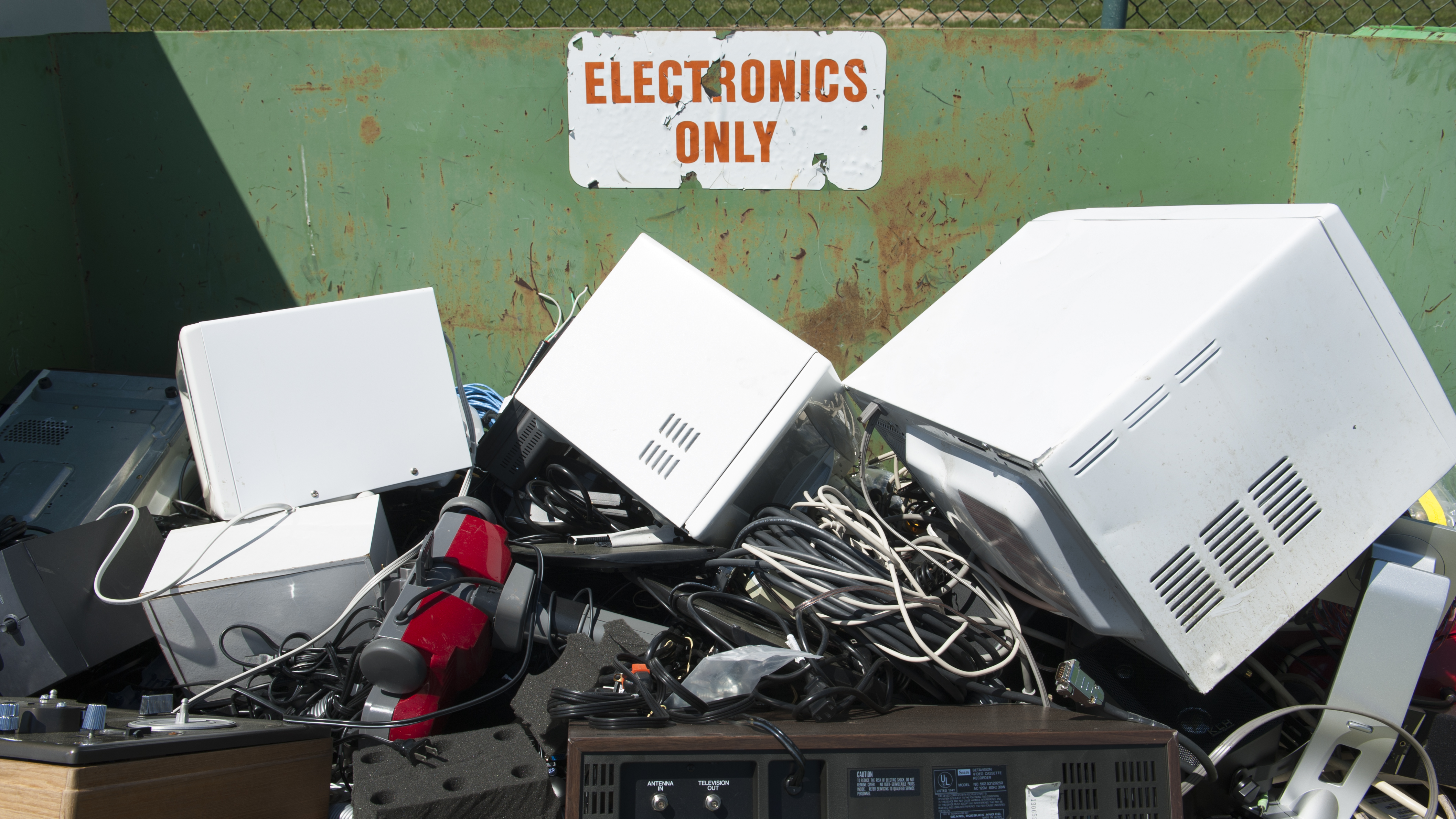 PSI has already learned, for example, that electronics recyclers are experiencing a significant reduction in incoming volumes of material (reported to be as low as 30% of normal levels). Many recyclers are being forced to lay off staff given low material supply from residences, retail stores that serve as collection sites, and nonprofits like Goodwill. Recyclers are adjusting their business practices to include social distancing, staggering shifts, and the use of personal protection equipment. Some are also making the collection process contactless and letting incoming material sit for 24 hours before processing.
The Mattress Recycling Council, which says that it has “activated plans to continue operations and limit service disruptions while also keeping health best practices,” has posted COVID-related guidelines for transporters, collectors, recyclers, and retailers. Members of the International Paint Recycling Association, which PSI helped create, have adopted similar practices to protect their workers while still producing recycled paint. Chittenden County, VT is working on new procedures to re-open its household hazardous waste (HHW) facility, including using a scheduling app to ensure residents can safely drop off materials. As restrictions begin to lift, more communities (like Kane County, IL) are developing “return to service” guidelines to restart collections. PaintCare is advising consumers who are planning to drop off paint for recycling to contact drop-off sites in advance and asking them to follow CDC guidelines to protect themselves and others, and is rescheduling drop-off events planned through June.

With social distancing and other safety measures in place for the foreseeable future, new practices that safely continue take-back programs are vital. PSI will also be working with state product stewardship councils across the country to learn how states are handling impacts of the virus. If you have questions or information to share, please contact Rachel Perlman, PSI Senior Associate.